
Eco Summer Cottages: A Builder's Guide for Polish Conditions
What materials actually hold up through Polish winters, how to size a septic system for seasonal use, and which insulation strategies keep heating costs reasonable.
Read article →Practical notes on building and equipping eco-friendly letniskowy — from foundation materials to green roofs and off-grid energy, grounded in Polish construction standards.

Notes, comparisons, and practical details on ecological construction and outfitting of Polish summer cottages.
What materials actually hold up through Polish winters, how to size a septic system for seasonal use, and which insulation strategies keep heating costs reasonable.
Read article →
A walkthrough of extensive vs intensive green roof systems, load calculations for timber-framed cottages, and a realistic cost breakdown for a 60 m² roof in Poland.
Read article →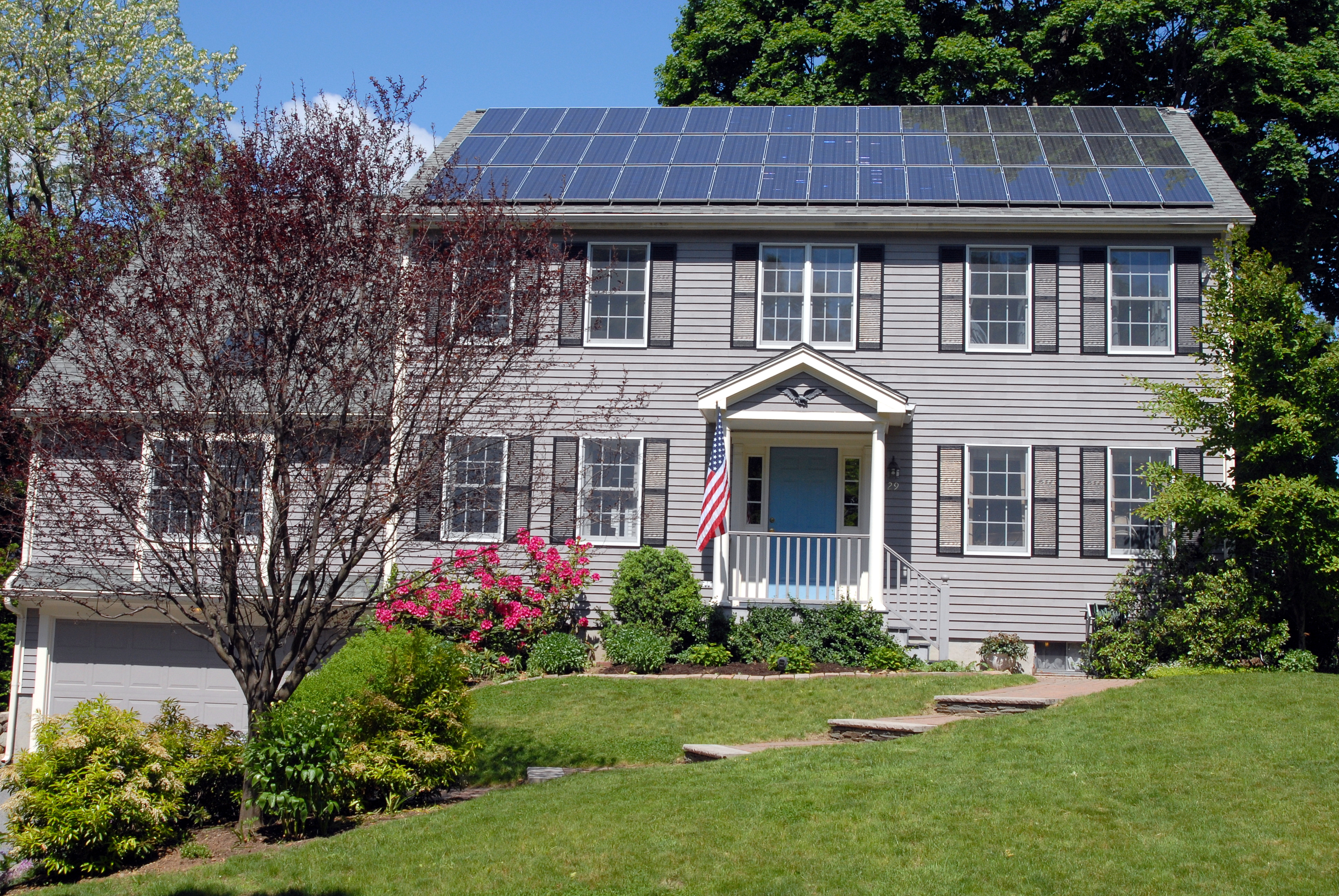
How to calculate panel capacity for a cottage used 5 months per year, battery storage options, and current net-metering rules under Polish energy law.
Read article →Ecological construction isn't a single product category — it describes a combination of material choices, energy systems, and site decisions that reduce impact across the building's lifetime.

For corrections, questions about specific content, or general correspondence.